-
Chapter 17: The Patent Committee
Raymond Alexanian MD and Tacey A. Rosolowski PhD
In this chapter, Dr. Alexanian talks about the Patent Committee, designed to provide early documentation of innovations which would late be patented. He gives an example of a device invented by the nursing service to administer chemotherapy.
-
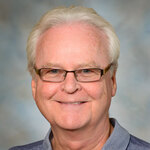
Chapter 08: Teaching Communications to Larger Groups
Walter F. Baile MD and Tacey A. Rosolowski PhD
In this chapter, Dr. Baile talks about how he spent the next seven years developing strategies to teach communications to larger groups, basing his approach on the work of Rebecca Walters and John Nolte’s use of psychodrama and sociodrama to explore communcations and emotional issues. Dr. Baile illustrates his approach by talking about psychodrama retreats he held in Italy, in particular a workshop for forty hospice workers addressing end of life communications. He discusses the warm up exercises needed and the way that psychodrama techniques are based on role-reversals.
Next, he describes challenges that participants confront and the opportunities for transformation that psychodrama offers –experiences that he finds very gratifying to offer to clients. Dr. Baile then talks through how psychodrama works, using the example of a nurse who was taken off a case without any explanation for why. Dr. Baile then talks about differences between teaching in Italy, where participants can come for multi-day retreats, and the more skill-based approach he takes at MD Anderson, where participants can only spend an hour or two. -
![Chapter 09: The iCare Program [Interpersonal Communication And Relationship Enhancement] by Walter F. Baile MD and Tacey A. Rosolowski PhD](https://openworks.mdanderson.org/mchv_interviewchapters/1415/thumbnail.jpg "Chapter 09: The iCare Program [Interpersonal Communication And Relationship Enhancement] by Walter F. Baile MD and Tacey A. Rosolowski PhD")
Chapter 09: The iCare Program [Interpersonal Communication And Relationship Enhancement]
Walter F. Baile MD and Tacey A. Rosolowski PhD
In this chapter, Dr. Baile talks about how he developed MD Anderson’s iCare Program [Interpersonal Communication And Relationship Enhancement], serving as the founding director since 2007. He explaining how he left the position of Head of the Section of Psychiatry, a move that came just after he had applied for money from the University Cancer Foundation to make communications videos available via a website. Dr. Baile observes that there was a lot of interest in communication skills at the time and he explains that he adapted his conceptual model of teaching communications via socio- and psycho-dramatic examples. He talks about the different audiences for communication teaching within MD Anderson and the evolution of the program. He explains that, for the last three years, he has been training medical oncology fellows by videotaping them breaking bad news and then giving feedback. He notes that he plans to retire in 2018 and hopes to offer one on one feedback sessions before that time. He explains why some doctors are reluctant to take communications training in contrast with nurses, who are more often willing to do so.
Next, Dr. Baile comments on “MD Anderson silos,” noting that a lack of collaboration can result in ineffective programs. He uses the “Language of Caring” initiative as an example. (He was not consulted, though he feels he was uniquely placed to contribute.) -
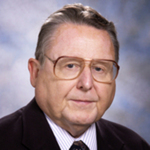
Chapter 07: Evolution of Medical Practices in Neoplasms and Drug Therapy
Gerald P. Bodey MD and Lesley W. Brunet
In this chapter, Dr. Bodey highlights innovations in cancer treatment in relation to anti-cancer drugs. Antibiotics, such as anthracyclines and actinomycin D, being used as anti-tumor agents, are more commonplace. An increase in pharmaceuticals in cancer care led to increased committee work and Dr. Bodey served on the Pharmacy and Therapeutics Committee. He briefly discusses some changes to dispensing drugs to patients – including having nurses administering medications instead of doctors and moving to a centralized pharmacy on campus.
-
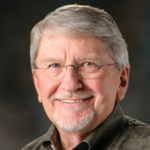
Chapter 07: Developing the Ombudsman's Office: John Mendelsohn and Anu Rao
William A. Brock PhD and Tacey A. Rosolowski PhD
In this chapter, Dr. Brock discusses the growth of the Ombudsman's Office under Anu Rao. He begins, however, with comment on how John Mendelsohn, MD (3rd president) was interested in addressing the climate of faculty elitism and establishing more equality among faculty and staff. Dr. Mendelsohn's support for the Ombud's Office was an outgrowth of this commitment.
Next, Dr. Brock explains that Ann Rau "hit the ground running" when she took over directorship of the Ombud's Office. He mentions how she raised awareness of the Office and also explains how Ms. Rau worked with the legal department to define the confidentiality of the Office's client records.
Next, Dr. Brock explains how an ombudsman for nursing was hired during the period prior to Ms. Rau's arrival, when he was head of the Office. He explains his belief at that time that the Office needed people with different specialties to address the needs of employees. He notes that Ann Rau said this was "a bad idea" once she arrived, and he explains how his own view of this changed by shifting his focus to the characteristics that all conflicts share.
Next, Dr. Brock talks about what he learned about the institution once the Ombuds Office offered services to all employees. He then sketches the high points of Ms. Rau's plan for developing the program: marketing services and creating a very popular training program for dealing with conflict, difficult conversations, and other communication challenges. Dr. Brock explains that the Ombudsman's Office at MD Anderson is not alone in finding it very difficult to assess the financial impact of mediating conflict. -
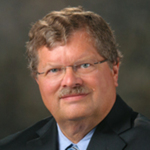
Chapter 04:On the Importance of Relationships in Medicine and Medical Care
Thomas W. Burke MD and Tacey A. Rosolowski PhD
Dr. Burke explains why he specialized in Gynecologic Surgery, which he saw as bringing together his love of surgery with birth, a happy time where a physician develops and sustains a relationship with a patient over time. He goes on to explain how an oncologist and a patient are partners in risk, care and outcome, and how this is for him a very rewarding personal experience. He talks about his ability to deal with life and death situations without being weighed down by them. Since MD Anderson people can do this, they do not abandon people who will not survive their treatment
Dr. Burke next talks about the challenge of attracting cancer nurses to oncology specialties and recalls a program he established (early in his administrative career) to bring nursing students to MD Anderson. He notes that this program was successful in introducing students to careers in oncology nursing
-
Chapter 14: As Physician in Chief: Addressing Needs in Pharmacy, Nursing, and Quality and Safety
Thomas W. Burke MD and Tacey A. Rosolowski PhD
Dr. Burke explains the major clinical needs of MD Anderson in 2007.
He talks about pharmaceutical needs. He next explains how he built his support team by seeking out people.
He describes the Quality and Safety program focused on patient safety, explaining the related Clinical Safety and Effectiveness Program first developed for industry, duly adapted for MD Anderson and other health care institutions. He talks about the influence of this Quality and Safety program. P
Dr. Burke explains how changes innovated by the Clinical Safety and Effectiveness Programmed were first received when introduced. He notes resistance and that the Program encouraged individuals to innovate their own improvements to process and gave prizes for the best solutions to process problems. He gives examples of innovations.
-
Chapter 15: Building a Highly Skilled Nursing Service
Thomas W. Burke MD and Tacey A. Rosolowski PhD
Dr. Burke describes how he addressed the need for an increasingly skilled staff of oncology nurses.
He talks about partnering with Dr. Barbara Summers [Oral History Interview], Head of Nursing, to create a program to attract young nurses to the field. He explains that oncology nursing is not a “happy area” and has had difficulty attracting students. They also created programs to help nurses develop their skills and expertise with additional training and degree programs.
Dr. Burke gives an overview of changes in nursing that broadened the scope of nursing to management, administration, and advanced practice nursing. He notes that Advanced Practice Nurses have expertise and serve as preceptors to their teams and those under them, increasing the quality of care.
-
Chapter 14: Research Nurses at MD Anderson
Aman U. Buzdar MD and Tacey A. Rosolowski PhD
Dr. Buzdar begins this chapter by noting how important transparency is when asking a patient to participate in clinical trials. He then discusses a new, four-month training program for research nurses that was launched eight months previously (the first structured program for training research nurses). He explains the special features of training for research nurses and their role in educating patients about clinical trials. He sketches the history of research nurses at MD Anderson and notes that the new training program was created on the recommendation of a group of investigators.
-
Chapter 05: A Doctorate in Public Health and Appointment to the Faculty
Linda E. Elting DPh and Tacey A. Rosolowski PhD
Dr. Elting begins this chapter by explaining that her Master’s program gave her confidence in the quality of her own research questions and helped spur her to pursue doctoral work.
Dr. Elting explains why she never considered leaving MD Anderson.
Next she sketches the skills her doctoral program helped build, particularly computer skills. She observes that computers were not much in use in research at MD Anderson during the eighties.
Next Dr. Elting explains MD Anderson rules that made it difficult for her to be promoted to the faculty. She also notes that it was difficult to get some physicians to see her as a colleague when they had known her for years as a nurse/technician. She describes her duties once she was promoted to the faculty.
-
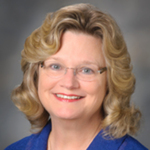
Chapter 19: Researchers in Relationship to Institutional Review Boards: A Perspective from an IRB Chair
Linda E. Elting DPh and Tacey A. Rosolowski PhD
In this chapter, Dr. Elting responds to the observation that many researchers have an adversarial view of IRBs. She underscores the importance of training in IRB issues and then explains that she was responsible for formalizing MD Anderson’s IRB training program for new faculty members and research nurses.
She explains her strategy of addressing IBR mistakes while she served as Chair (Institutional Review Board IV, 2003-2005). She gives examples of the kinds of issues that would arise and explains why they appear, particularly in the social sciences departments.
Dr. Elting notes that the IRB she chaired was formed to handle issues arising from research projects, such as hers, conducted in the community with non-MD Anderson patients. She explains the issues that would arise and gives examples of creative solutions to these unexpected situations.
-
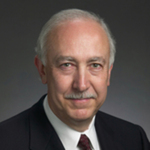
Chapter 10: The Texas Cancer Data Center
Lewis E. Foxhall MD and Tacey A. Rosolowski PhD
He explains the funding and mission to collect information from the state cancer registry and convert it to a searchable system that includes statistics on patients and other information. He explains how the system evolved, shifts in its management, and the programs it includes. He notes that a related education program has reached about 500 nurses and 1000 social workers with information about programs for patients. He notes that this was one of the first data centers of this type in the country.
Dr. Foxhall notes partnerships with the American Cancer Society and with other public health agencies to educate patients about cancer risk. He also notes the work with the Harris County Healthcare Alliance to support prevention programs in community clinics and improve access to healthcare for low income patients. (Additional information on the Texas Cancer Data Center is presented in Segment 09.)
-
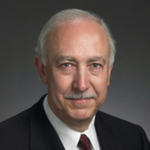
Chapter 11: Grant-Funded Projects in the Office of Health Policy: The Texas Cancer Data Center
Lewis E. Foxhall MD and Tacey A. Rosolowski PhD
Here Dr. Foxhall talks about a number of key projects run by the Office of Health Policy. He first follows up on a discussion of the Texas Cancer Data Center (discussed in Segment 10), explaining difficulties in collecting information in the early days of the project and then sketching how services have evolved an been updated since the late eighties. He lists the kinds of information that the Center provides, its heavy use (around one million hits per year) and its impact. Dr. Foxhall notes that it is used as a platform for educational programs supported via CPRIT money. He also describes how the Center provides information for individuals with no insurance and education for nurses and social worker to help people get access to care. This need has been intensified since Texas made the decision not to participate in the Medicaid portion of the Affordable Care Act.
-
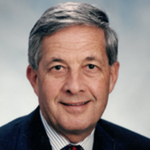
Chapter 19: A Career Devoted to Interdisciplinary Teams; Earning the name, Dr. Fixit
Helmuth Goepfert MD and Tacey A. Rosolowski PhD
Here Dr. Goepfert comments on his accomplishments and a significant award and shares some details of his life outside of work. He says that as he looks back on his work at MD Anderson, he says he is very gratified that he got three sons through medical school and a daughter through college with no debt. Taking a more serious tone, he says that he believes he used resources in his Department and Section wisely and made Head and Neck surgery visible enough to be recognized as the number five program nationwide. He is proud of the fellowship program and hopes that his focus on interdisciplinary care will be carried on. He is also proud of the Distinguished Surgeon Award he received from the Association of Operating Room Nurses of Greater Houston in 1999. He notes that he was brought up as a scrub technician in his father’s operating room and knows the value of nurses to a team. Speaking about his hobbies, he immediately talks about his love of riding motorcycles. He only stopped riding about four and a half years ago, when he felt his reflexes were not quick enough to insure safety. Otherwise, he reads and listens to music. He enjoys car trips and looks forward to taking driving trips up both the east and west coasts of the country. He notes that he washes his own cars. He tells an amusing anecdote about fixing bicycles for kids in the neighborhood in Sugarland, Texas, an activity that earned him the nickname, Dr. Fixit.
-
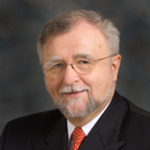
Chapter 21: The Breast Cancer Service: From Section to Department
Gabriel N. Hortobagyi MD and Tacey A. Rosolowski PhD
In this chapter, Dr. Hortobagyi first compares the formal processes by which Section Chiefs are recruited today with the informal process by which Dr. Hortobagyi first came to serve as Alternative Section Chief of the Breast Medical Oncology Service under Dr. George Blumenschein. Dr. Hortobagyi became Chief in 1984 when Dr. Charles LeMaistre removed Dr. Blumenschein. Dr. Hortobagyi then explains how, in 1992, institutional politics drove the re-classification of the Breast Medical Oncology as a Department.
Dr. Hortobagyi explains how his understanding of his administrative role evolved, beginning with his role as Alternative Section Chief, when he was “so junior that he didn’t know much.” Dr. Hortobagyi explains that as he matured, he came to understand that he had his own ideas of how work should be organized. He lists some of his first contributions to the Section/Department: he recruited the first three research nurses to the service; he and Dr. Benjamin worked with the Texas legislature to pass a bill in support of physicians’ assistants and nurse practitioners; he was the first to recruit nurse practitioners; he recognized the need to grow the department to grow the number of grants and research support and he visited other institutions to better understand what a breast center should look like. He describes his “gradual awakening” to the idea that the breast center should be re-thought from a patient-centered perspective. He then strengthened the Department to support clinical research, moved on to build up the educational mission of the Department, and finally integrated translational research into the Department and into the process of recruiting new faculty.
-
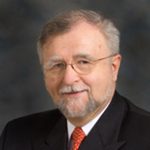
Chapter 23: Regulations on Clinical Trials and New Research Projects in Breast Medical Oncology
Gabriel N. Hortobagyi MD and Tacey A. Rosolowski PhD
Dr. Hortobagyi begins this chapter by talking about how clinical trials helped build a multi-disciplinary mentality in Breast Medical Oncology. He then observes that increasing costs and institutional/national regulations on clinical trials holds back research efforts. He then explains how he developed the research infrastructure in Breast Medical Oncology, beginning with his development of clinical trials with FAC and inflammatory breast cancer. Pharmaceutical companies provided drugs for these trials and other resources. Dr. Hortobagyi describes the different cost components of a budget for a drug trial (nurses, data managers, etc.). As the numbers of trials increased over time, he explains, research simultaneously became more complex, and he gives the example of his first research nurse, who could handle eight or nine clinical trials, while today many more individuals are involved.
Dr. Hortobagyi then gives an overview of regulatory practices governing trials, which also add to the complexity of research. He notes that a few people decided to be “slippery or dishonest,” and their actions resulted in a burden of regulation for everyone that slows research. He also describes how regulation has increased the cost of health care and absorbed the efforts of the best investigators, tapping their energy for tasks that add no value to their research.
Dr. Hortobagyi describes how difficult it was to set in place all the pieces required for an optimal research structure, underscoring how important it was to strategize for resources, efficiency, and to work within budget constraints. He returns to subject of physicians who lack leadership training, and who need these skills to manage complex initiatives. Dr. Hortobagyi gives an overview of the tasks he managed: providing the highest quality of care; insuring that all faculty and staff work at their highest level; influence the development of the Breast Center; increase research productivity, coordinate research activities, ensure that research breaks even; foster careers; educate the next generation.
-
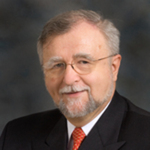
Chapter 27: An Overview of Research Issues
Gabriel N. Hortobagyi MD and Tacey A. Rosolowski PhD
Dr. Hortobagyi explains that recruitment of research nurses and research managers was a key to strengthening the research mission of Breast Medical Oncology. He then moves to a related discussion of conflict of interest, noting monetary dimensions of conflict of interest are only “the tip of the iceberg.” He explains that a Principal Investigator has a vested interest in the success of a clinical trial. The research nurse thus serves as unbiased party to collect and manage data. He explains the decision not to permit principal investigators to look at data before all the results of a trial are in.
Dr. Hortobagyi recalls the controversies at MD Anderson regarding the running of clinical trials, which some researchers believed were unethical. The discussions revealed, however, how difficult it is for a researcher to be unbiased and that the process of generating data needed management to insure that results were unimpeachable.
Dr. Hortobagyi notes the reasons why scientific misconduct was not discussed in the 70s and 80s.
-
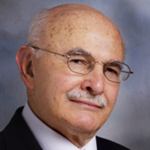
Chapter 12: The Long-Term Surveillance Clinic
Norman Jaffe and Tacey A. Rosolowski PhD
In this chapter, Dr. Jaffe talks about his work with MD Anderson’s Long Term Surveillance Clinic. The Clinic was already in existence when he came to MD Anderson in 1978, however he was recruited in part to expand the Clinic, based on his experience with a similar unit at the Dana-Farber Cancer Institute (established in ‘72/’73). (Dr. Jaffe wrote the first paper on radiation and survivorship [published in ’75] and he suspects this was instrumental in the creation of a number of survivorship clinics.) He notes that with the use of radiation and chemotherapy, the numbers of pediatric cancer survivors grew exponentially, and they also exhibited many complications from their treatments. The Clinic monitored all the complications and referred patients to the service that could address them. Dr. Jaffe then talks about the many people involved in the Clinic. When Dr. Jaffe arrived, Dr. Hubert Ried directed the Clinic with the assistance of nurse practitioner, Hallie Zietz (whom he describes as “the heart and soul” of the Clinic). The three of them worked together to expand services and write papers. Dr. Jan Van Eys, he explains, was an advocate of monitoring nutrition in survivorship. He explains why nutrition is and issue and how his experience with patients with such afflictions as kwashiorkor in South Africa sensitized him to malnutrition in cancer patients. Dr. Jaffe also credits Dr. Van Eys with establishing psychosocial support as a key element in the survivorship clinic. Donna Copeland was Chief of Psychosocial Services. Dr. Jaffe gives several examples of the kinds of challenges children face. He also explains that Dr. Van Eys developed the position of the Child Life Worker to help children adjust. He describes the role of the Child Life Worker –who might, for example, go to a child’s school to sensitize other children to why a cancer survivor might not look like other children or might have some kind of disability. This kind of support role owes a great deal, Dr. Jaffe explains, to Dr. Sidney Farber’s concept of total care. He talks about how pediatric patients are dealt with differently now than in the past: for example, efforts have to be made now to obtain a child’s permission for treatment, and he gives examples of how a procedure might to explained to a very small child of four or five. He also returns to the example of the Ski Program, run through the Survivorship Clinic, and notes that the video, Amputation is no Barrier, was produced to showcase the Ski Program and the activities it offered to survivors.
-
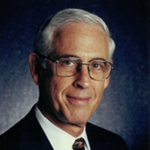
Chapter 19: Prevention and Care Become Academic Fields
John Mendelsohn MD and Tacey A. Rosolowski PhD
Here Dr. Mendelsohn talks about the significance of building dimensions of MD Anderson’s mission (Care, Research, Education, Prevention) into academic fields, in particular patient care and cancer prevention. He notes that Dr. Ronald DePinho’s Moon Shots Program includes prevention. He mentions a new program in prevention and the fact that nursing has become a more academic field with the granting of Ph.Ds.
-
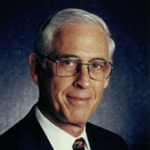
Chapter 22: Sister Institutions
John Mendelsohn MD and Tacey A. Rosolowski PhD
In this Chapter, Dr. Mendelsohn talks the lessons learned by creating two sister institutions, MD Anderson Espana in Madrid (originally a for-profit institution) and Banner Arizona. He explains that it is important to select institutions that have the resources and will to operate in the “MD Anderson way,” and that it is important to visit the locations and spend the time necessary to offer on-site instruction and support. (He notes that the head nurse in leukemia spend three months in Madrid for this purpose.) Dr. Mendelsohn lists the benefits of these inter-institution relationships and explains that an aim is to raise standards at centers that may not originally offer the best quality of care.
-
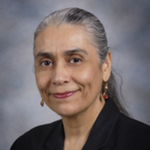
Chapter 11: Today’s Medical Paradigm Shift
Alma Rodriguez MD and Tacey A. Rosolowski PhD
In this chapter, Dr. Rodriguez provides perspective on what she calls “the medical paradigm shift” that currently challenges everyone in healthcare. She begins by sketching how landmarks in the history of research into causes of disease created paradigm shifts in the pass. She begins with the long period in which doctors learned their craft through apprenticeship to other individual physicians. She then explains that a paradigm shift occurred in the 19th Century, when hospitals became the primary setting for acquiring this training. She notes that the growth of nursing also had an effect on the practice of medicine. She then talks about the technical developments of the 20th century that led to another paradigm shift. Dr. Rodriguez explains that the current paradigm shift is not focused on technology, but on how care is delivered and diseases managed. She stresses that the new paradigm focuses not merely on the doctor-patient relationship, but on the management of relationships between teams of providers and the institution to deliver optimal care. Dr. Rodriguez says that MD Anderson is still in the investigational paradigm and may not have the skills to engage patients in being their own health care advocates. She explains that there is a great deal of data available to help individuals prevent cancer and that nearly seventy percent of patients survive for five years. Dr. Rodriguez cites several MD Anderson initiatives that focus on prevention.
-
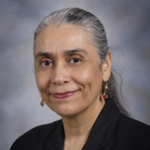
Chapter 15: Vice President of the Office of Medical Affairs; the Value of Faculty Credentialing
Alma Rodriguez MD and Tacey A. Rosolowski PhD
Dr. Rodriguez begins this chapter by explaining how conversations with the outgoing and incoming physicians-in-chief around she came to her role as Vice President of the Office of Medical Affairs. When Thomas Burke, MD [Oral History Interview] became physician in chief in 2004, her role was expanded to include medical affairs functions. She was officially named in 2005 with service to the present. Next Dr. Rodriguez notes that learned a great deal about Texas law and regulations of medical practice. She also had to familiarize herself with the roles of Physicians Assistants and Advanced Practice Nurses.
Next, as an example of a function within Medical Affairs, Dr. Rodriguez talks about the process of documenting the credentials that physicians present for employment. She explains why this process is key to the reputation of MD Anderson. She also notes that employees have occasionally falsified documents. -
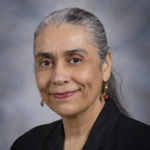
Chapter 19: Integrating Advance Practice Providers into Care Teams; Training Program for Physician Assistants
Alma Rodriguez MD and Tacey A. Rosolowski PhD
Dr. Rodriguez talks about the increasing reliance on advance practice providers in medicine and in oncology. She notes that, at MD Anderson, General Internal Medicine is a hold out. She sketches what an APP can bring to a care team. She talks about her own experience working with a Physician’s Assistant. She explains why she shares oversight of Advanced Practice Nurses with the Division of Nursing. Next Dr. Rodriguez talks about the Physician’s Assistant Oncology Fellowship Program, started in 2008. She sketches differences in the education of MDs and PAs and explains the need for an oncology fellowship. She talks about the impact of the program and an e-course developed for fellows at a distance.
-
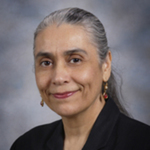
Chapter 24: Transitional Moments in MD Anderson History
Alma Rodriguez MD and Tacey A. Rosolowski PhD
Dr. Rodriguez sketches key moments of change in MD Anderson history since her arrival. She first talks about the eighties and the “growing consciousness that MD Anderson is an economic entity,” moving on to the nineties and the complexities that evolved with more billing forms, rules, and concern for downstream revenue generated from patient care. She gives an example of chemo therapy orders and talks about pros and cons. Dr. Rodriquez then talks about the MD Anderson’s physical expansion to the point where she “can’t embrace” the institution. She notes that the physicians and nursing staff have preserved their dedication and pride.
-
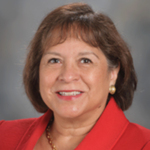
Chapter 16: The Patient Education Office Supports MD Anderson Initiatives
Louise Villejo and Tacey A. Rosolowski PhD
Ms. Villejo talks about support that her office provides to the Patient and Family Advisory Committee, Nursing, the Advanced Care Planning initiative, the Psychosocial Council, and the Survivorship Program.
In the process she shares a personal story about insights she has gained from witnessing her mother’s battle with cancer. [Clip about two minutes.]
She notes that she led the Networking Committee as the Survivorship Program was being established (2007) to look at similar initiatives at other cancer centers.
Ms. Villejo tells the story of how Patient Education was invited to create a learning center in the new Cancer Prevention building.